
Coping with Reverse Culture Shock. Coming Home After Living Abroad
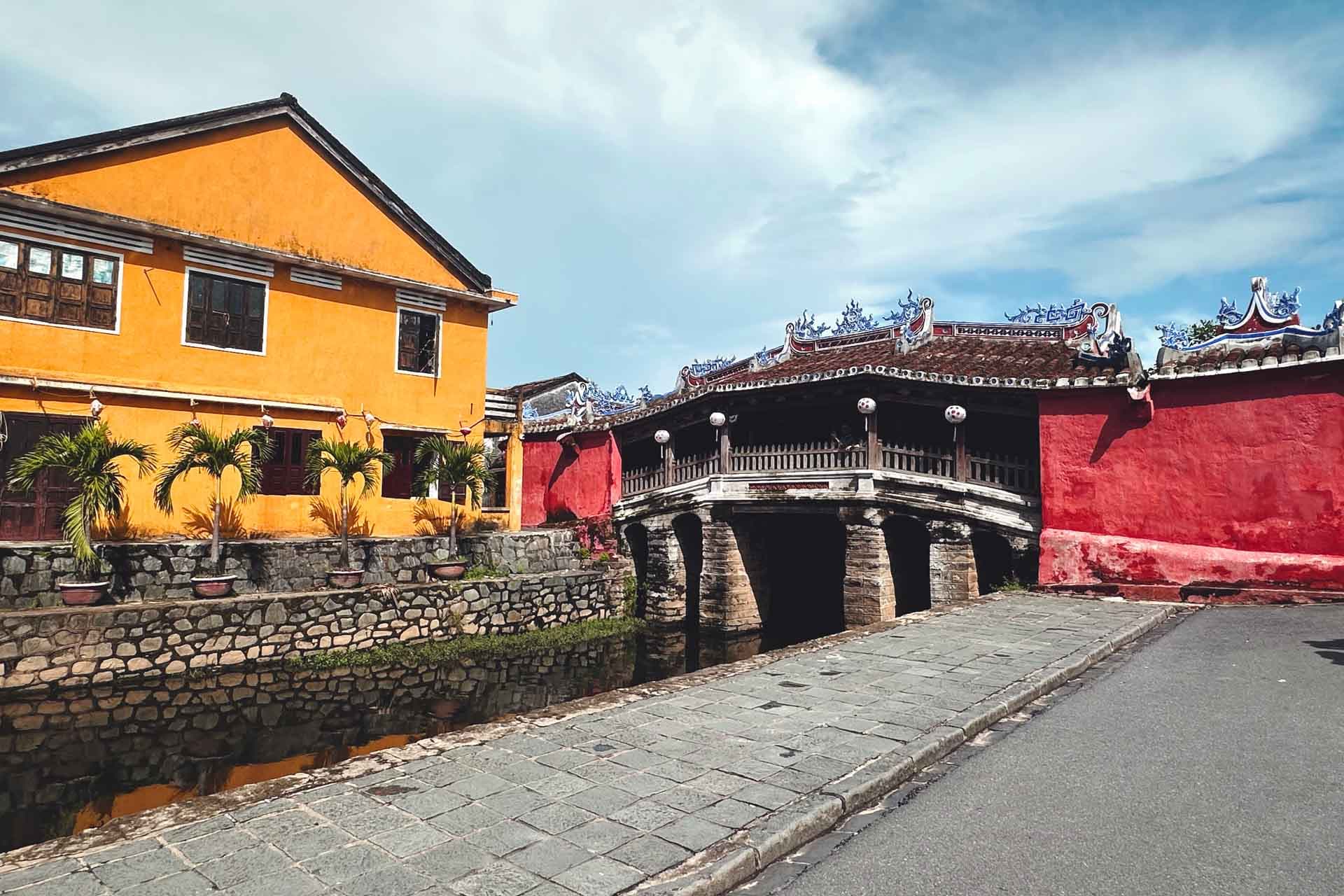
Coming home after living abroad isn’t always the joyful return people imagine. Sometimes, it feels like stepping into a place that’s both familiar and foreign at once.
After two years in the UK and Spain, I returned to Vietnam feeling out of sync, like I’d left part of myself behind. Two years might not seem very long, but it’s long enough to change you both personally and professionally.
In this reflection, I share what reverse culture shock really feels like, what helped me cope, and how to find peace and purpose in the in-between.
What Is Reverse Culture Shock?
The moment you set foot back in the city or country you once called home, something feels off. You find yourself thinking: “Where am I?” or “How did I live here before?”
When people asked me how it felt to come home, I struggled to answer. “I’m not sure… Depressed, maybe. Confused, definitely. I feel out of place. Still trying to adjust.” It wasn’t jet lag.
That’s when someone said, “You’re experiencing reverse culture shock.” I looked it up.
According to Marquette University, reverse culture shock (also called re-entry) is a common reaction to returning home after living abroad.
It’s an emotional and psychological stage of readjustment, much like the culture shock you felt when you first moved away.
You might feel like no one understands how much you’ve changed or fear losing part of your identity if you can’t express the new interests you developed abroad. Common signs are restlessness, boredom, uncertainty, isolation, confusion, and even reverse homesickness.
For me, it was strange because I never truly felt foreign when I moved to the UK. In fact, I felt at home. And in Spain, I felt like my soul had finally found its rhythm.
I found the best version of myself abroad. Coming back to Vietnam only reminded me why I left. Growing up on this side of the world, I had always felt like I was born in the wrong place.
Looking back, I realise how each country shaped me differently. While the UK taught me how to think, to question, analyse, and bring structure into my life, Spain taught me how to live, to slow down, connect, and truly be.
If you haven’t read that story yet, I shared it in Living Abroad in Spain, a reflection on how life there reshaped my definition of balance and success.
The Strange Feeling of Coming Home
Although Saigon now has a metro (finally!), the city itself hasn’t changed much. It’s still hustling, maybe even more crowded, and remains the same organised chaos I once knew how to navigate perfectly. But I have changed.
Suddenly, I understood every word around me, every side comment, every bit of small talk, and I found it hard to block out the noise. I had to relearn how to protect my own peace and mental well-being.
When I revisited Soma Saigon, one of my favourite cafés in Thao Dien, I enjoyed catching up with its owner, my old friend, and his family. I also kept bumping into familiar faces from the expat community: small, warm, and unchanged. Yet it now felt strange to hear English mixed with Vietnamese and not enough Spanish.
A subtle unease surfaced: I felt too comfortable, and I didn’t like it. This time, comfort felt like a trap, a sign that I might stop growing. So I reminded myself this stay was temporary, that I had unfinished business here, and once it’s done, I’ll move forward again.
Back in Asia, reality feels very different. After spending a year learning about Intellectual Property Rights at the EUIPO, that concept still feels unfamiliar to many entrepreneurs here, even within the expat community.
Sometimes, when I bring up topics like sustainability or IP-backed finance, I get that polite yet puzzled look...the kind that says, “What is this girl talking about?” We just live in different day-to-day realities. Thankfully, a few close friends are helping me catch up with what’s changed here.
Living in Hoi An: A Foreigner in My Own Country
Now, I’m temporarily living in Hoi An, often called the Venice of Asia.
The funny thing is, people here just speak to me in English right away and ask, “Where are you from?” And every time, I pause.
Born in one city, built my adult life in another, moved across the world, and now trying to settle somewhere new, I’ve become a foreigner in my own country.
Hoi An has its own comforting charm. The air feels lighter, the pace slower compared to Saigon. I can walk or run freely again, and I can finally breathe. Surprisingly, there are plenty of Spanish tourists (which secretly makes me smile), among other international travellers.
Even though I’ve visited before, this is the first time I’m staying long enough to observe how the locals truly live. Every day, I appreciate the small details, the warm smiles, even the calls from street vendors: “You, you, buy something!” or “Hello, massage? Happy hour massage!”
When I surprise them with a calm reply in Vietnamese: “Dạ không, cảm ơn ạ” (“No, thank you”), they pause, then laugh: “Ủa, người Việt à?” (“Oh, you’re Vietnamese?”). And I just walk away smiling.
How to Deal with Reverse Culture Shock
Most articles say the first step is to “give yourself time,” and I agree. But I’d add this: acknowledge it. Name it.
Knowing that "reverse culture shock" is a common experience helps you feel less alone.
Here are a few things that have helped me navigate this phase (and might help you too):
1. Accept the discomfort. It’s okay to feel restless or disconnected; just remember that this state is temporary. It will pass. I’ve learned to sit with it rather than resist it, and that’s how balance slowly returns.
2. Stay connected to your global self. I try to stay close to the people who remind me of who I’ve become abroad. I still keep in touch with some of my best friends from both the UK and Spain; conversations with them always reconnect me to the parts of myself that grew in those places.
3. Maintain small rituals that ground you. For me, it’s my morning cappuccino, a ritual I’ve had since my twenties, and reading. I used to read in English for years, but after living abroad, my book collection has slowly shifted to Spanish. I can’t even get through a Vietnamese book anymore. These habits, small as they seem, remind me of where I’ve been and who I’m becoming. They’re not about leaving parts of myself behind, but about staying aware of my multifaceted self, learning how to carry each version of me forward, wherever I go.
4. Stay active and care for your physical wellbeing. I started jogging when I lived in the UK, mainly because it was so cold I had to run just to stay warm. Over time, it became my therapy. Running helps me cope with anxiety, stay disciplined, and keep both my body and mind in sync. Even a simple walk, without my phone or earphones, helps me stay present, to listen, observe, and reconnect with life around me.
5. Reflect and write. Journaling and blogging help me process emotions in different ways. Journaling is my safe space, a private dialogue with myself to check in with how I truly feel. Blogging, on the other hand, is how I share what I’ve learned openly. If a reflection like this helps even one person going through a similar phase, then it’s worth writing.
6. Integrate into the community. Whether I stay longer or move on again, I try to let each phase teach me something about who I’m becoming. As I learn to adjust to the rhythm of life here while working on new projects, which is the main reason I’m back, I keep reminding myself of a simple principle that has guided me everywhere I go:
I’m here now. So let’s make the most out of it. Let’s see what I can learn from this place and what I can contribute to it.
Finding Meaning in Shared Stories
Before completing my traineeship, I sat down with some of my fellow trainees from the EUIPO and recorded a video podcast on my YouTube channel, where we shared how a year in Spain shaped our personal leadership development.
We talked about cultural differences, personal and professional growth, and what it really means to build a life in a new country and how those experiences add depth and value to our leadership journeys. Hearing others’ stories reminded me that reverse culture shock isn’t just personal; it’s universal. We all carry pieces of every place we’ve lived. If you’re curious, you can watch that video podcast here.
Finding Gratitude in the In-Between
Part of why I miss that rhythm so deeply is that Spain gave me a kind of peace I hadn’t known before. From early morning runs and swims to catching the bus to work in Alicante, my life there moved more slowly but felt far more intentional.
I captured many of those moments in Life & Adaptation in Spain, a collection of stories and lessons that continue to remind me what “living fully” truly means.
When you live abroad, you inevitably gain a new perspective on your home country. You start to appreciate your roots differently, not more, not less, just through a new lens.
If you’ve ever felt in-between, not quite belonging where you are, you’re not alone. I’ve written more about these transitions, identity shifts, and self-leadership through change in my Personal Growth & Mindset section.
Every stage, even the uncertain ones, has something to teach us. I’m thankful for those years abroad. Now that I’ve tasted what it feels like to live “out there,” I know I’ll get back on that path again, sooner or later.
Everything has its timing. Every chapter has its purpose. And maybe that’s what growth really is: not finding where you belong but learning how to belong to yourself wherever you are.
For now, I’ll do what I came back to do. And when the time is right, I’ll pack my suitcase again.
Have you ever experienced reverse culture shock after returning home? I’d love to hear how you coped and what lessons you took from it.
Share your story in the comments below. Sometimes, the best way to navigate transitions is to remember that we’re not alone in them.
Related Articles
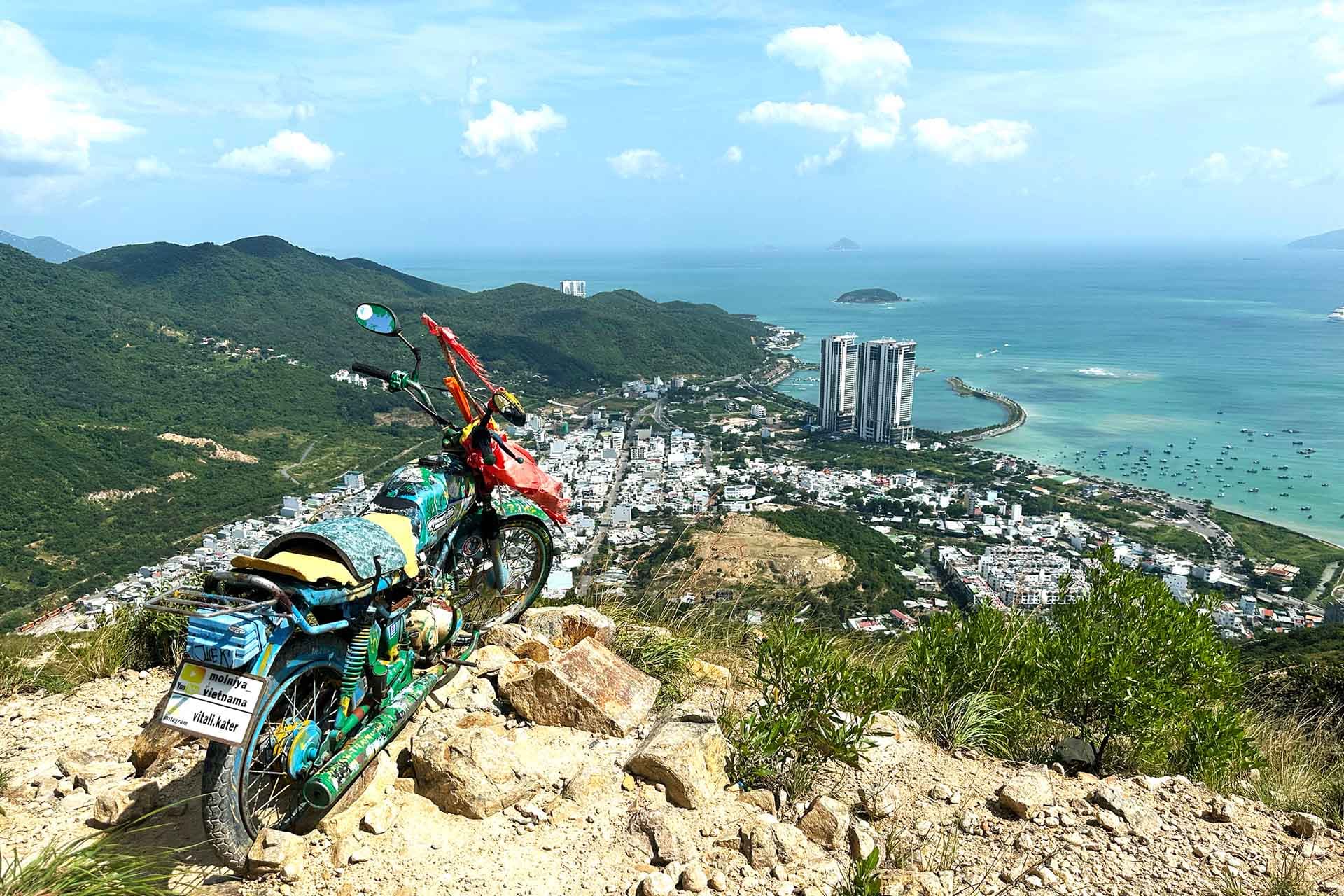
2025 in Review: From Goals to Intentions
A 2025 year in review on intention setting, living abroad, career transitions, and self-discovery across Europe and Vietnam.
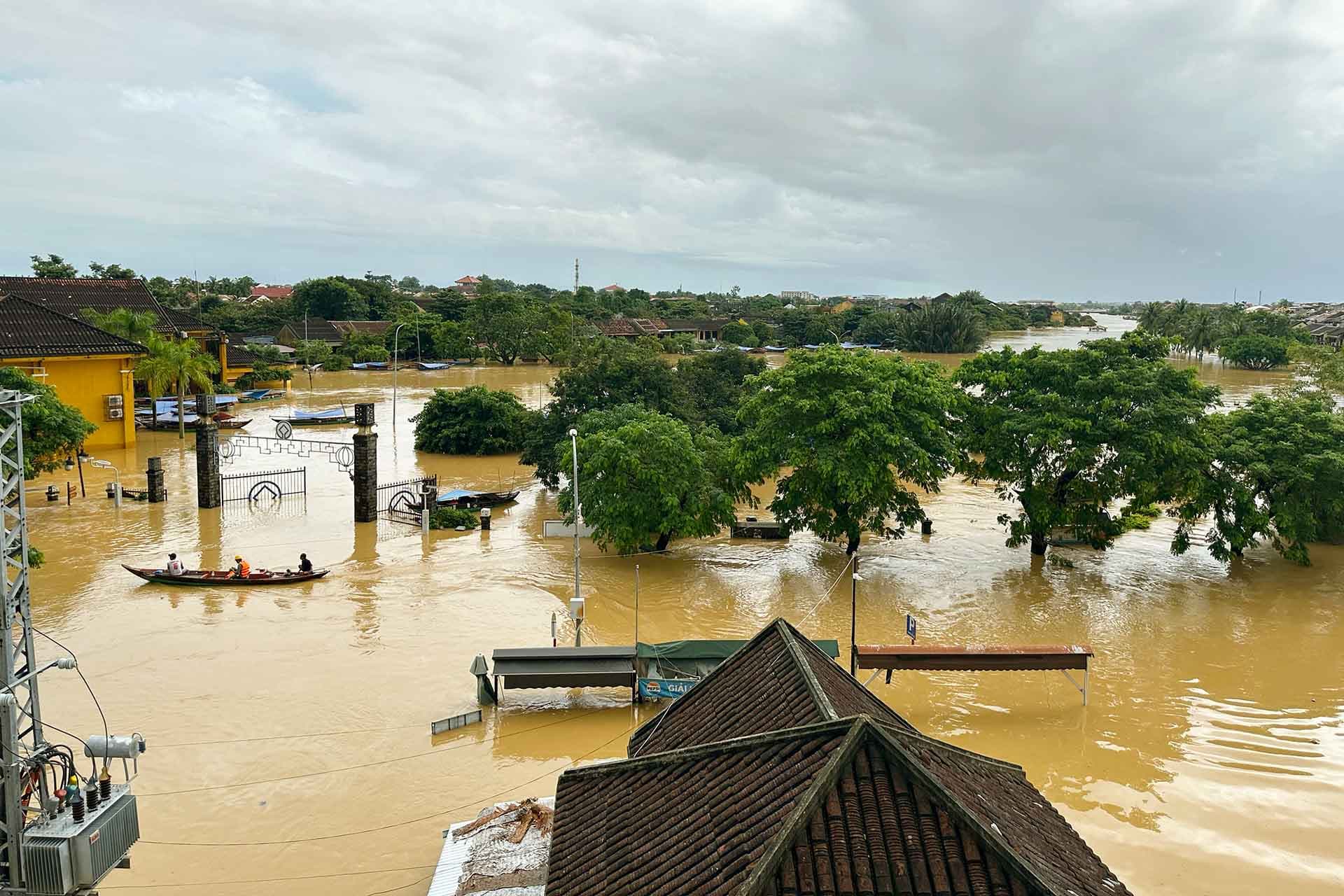
Hoi An Flood Diary: Eight Days of Survival (Part 1: Days 1–6)
A personal diary from Hoi An’s historic 2025 flood: eight days of survival, silence, and the kindness that keeps humanity afloat.
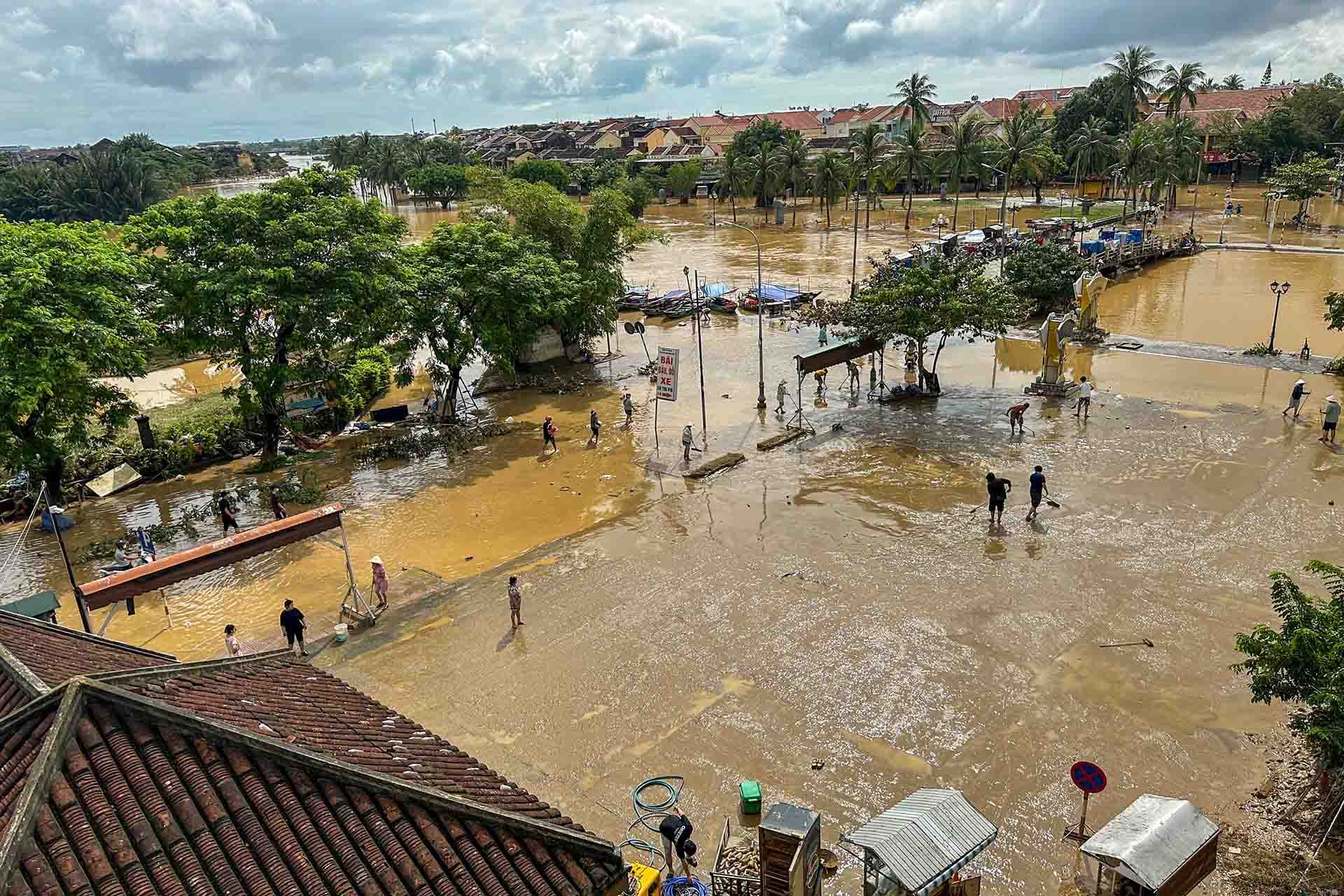
Hoi An Flood Diary: The Second Wave (Part 2: Days 7–9)
The flood returned to Hoi An. What followed was a quiet story of patience, courage, and humanity shining through the storm.